
Rehabilitation of the Self: Why Spiritual, Psychological and Emotional Healing Mirrors Physical Recovery
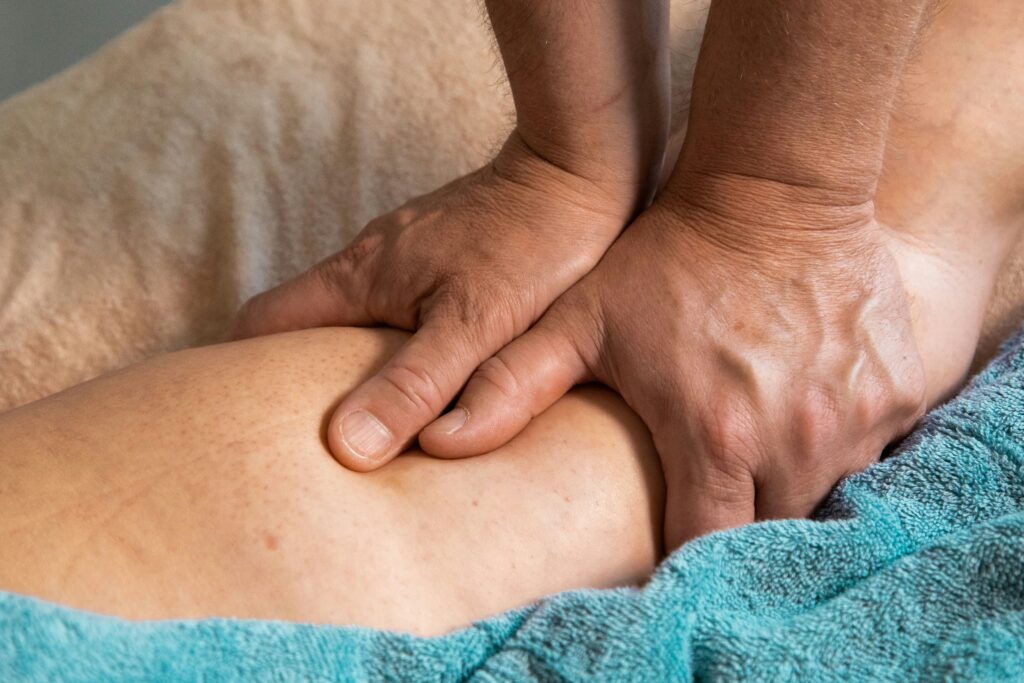
When we think of rehabilitation, we often picture a physio clinic, a recovering athlete, or a post-surgery patient retraining their body. But what about the less visible wounds, the emotional, psychological, and spiritual injuries we carry?
After trauma, whether it is the result of a monumental event or the slow, cumulative impact of Complex PTSD (CPTSD), the path to healing is strikingly similar to physical recovery. Both require commitment, discomfort, rest, and intelligent progression. And just like muscles, our inner systems grow stronger exactly where they once broke.
Pain Is Not a Sign of Weakness but a Mark of Progress
In physical rehabilitation, pain is not always a red flag. It can be a sign that the body is being called back into alignment. The injured area is gently but intentionally stressed so it can rebuild tissue, reconnect signals, and strengthen the structures that once gave way. This is not punishment. It is progress.
The same is true in emotional and spiritual healing. When we face the memories, triggers, and thought patterns we have protected ourselves from, it hurts. It feels raw and sometimes unbearable. But this is where the work is happening. Like with the body, we have to return to the site of the wound, feel into it, and re-pattern it through movement, presence, support, and guidance. Pain does not mean we are weak. It often means we are becoming stronger in exactly the places we once felt most vulnerable.
Exhaustion, Resistance, and the Necessity of Rest
Rehabilitation, whether physical or emotional, is rarely linear. There are days of lightness and days of heaviness. Some sessions feel empowering, others leave us depleted. Overloading is part of the strengthening process, but it must be balanced with deep recovery.
Emotional and spiritual healing is no different. There are breakthroughs and breakdowns, clarity and confusion. After deep inner work, the system often feels exhausted, and rightly so. It is being rewired. True healing honours these rhythms. It does not rush. It recognises that rest is not weakness. It is a vital part of integration.
Realignment Requires Repetition and Intelligent Guidance
You do not go to one rehab session and expect to run the next day. Recovery is a series of small, steady steps taken with consistency and guidance. There is a structure, a rhythm, and a personal progression. The goal is not to return to what once was but to move forward, stronger, more resilient, and better aligned.
This is exactly how emotional and spiritual healing unfolds. With the right support, we begin to rewire our nervous system, our beliefs, and our responses. We meet our shadows, soften our defences, and slowly rebuild a more integrated self. It takes time. But it always gives results.
Healing Is Not Instant but It Is Inevitable
Just like physical rehabilitation requires time, patience, presence, and expertise, so does the recovery of the inner self. There may be discomfort, fatigue, and moments of resistance, but there will also be renewal, strength, and deep transformation. Whether we are healing a torn ligament or a broken heart, we are being asked to move gently, stay present, and trust in the deeper rhythm of healing.
The old systems dissolve. The fragile places are fortified. And over time, a more rooted, more whole version of ourselves emerges. Not one that functions from fear or pain, but one that stands in resilience, inner truth, and clarity. This is the real work. It is quiet, deep, and profoundly life changing.
If you feel like this is where you are, or where you are meant to go, I invite you to connect. Book a gentle, no-pressure discovery call. We will simply explore where you are, what you are holding, and whether this kind of soulful and practical mentoring, transformational coaching, and guidance is right for you.